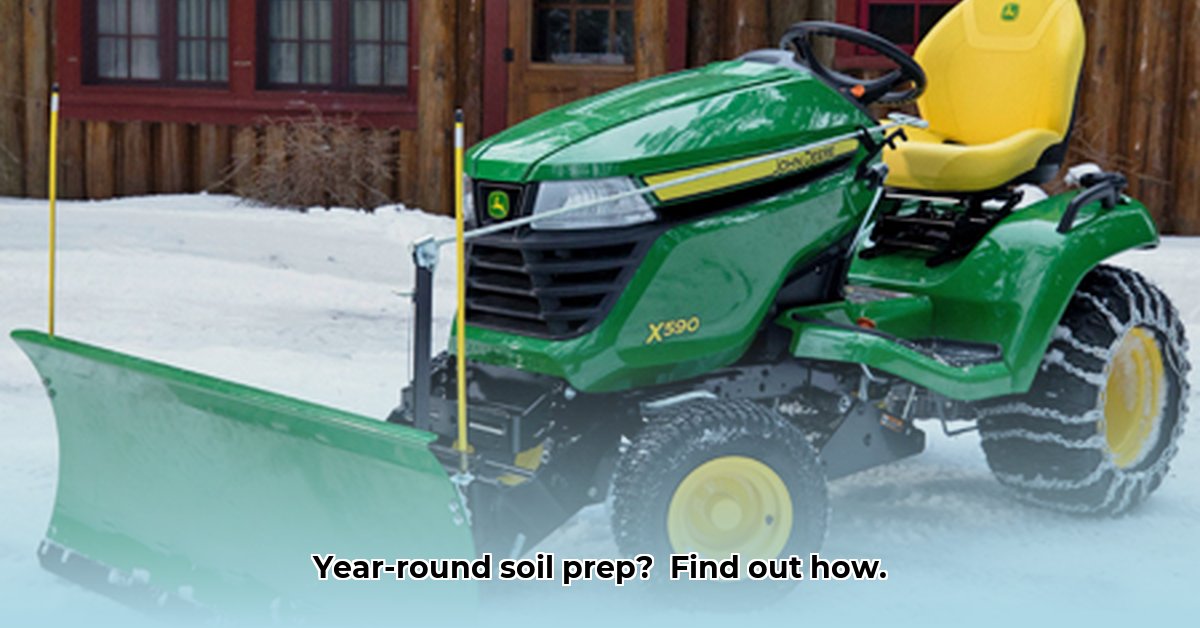
John Deere Snow Blade for Lawn Tractor: A Year-Round Farming Friend?
Think of that John Deere snow blade, typically dormant after winter. But what if it could become a key tool for sustainable year-round farming? This surprisingly versatile tool offers capabilities beyond snow removal, as we'll explore below. For more on John Deere lawn tractors, see this helpful resource.
Turning a Snow Fighter into a Soil Whisperer
The adaptability of the John Deere snow blade shines in soil preparation. Its adjustable settings allow precise control over ground engagement, ideal for light tillage or creating optimal seedbeds. This gentler approach minimizes soil disturbance compared to heavier equipment—a significant benefit for soil health. Envision effortlessly leveling fields for planting, using a tool you likely already own. How much time and fuel could you save using this method?
The Upsides and Downsides: A Balanced Look
Let's weigh the pros and cons of repurposing your snow blade for agricultural tasks.
Advantages:
- Gentle on the Soil: Reduced compaction leads to improved soil structure and water infiltration.
- Fuel Efficiency: Smaller tractors and blades translate to lower fuel consumption, saving money and reducing your environmental impact.
- Versatile Uses: Adaptable for various tasks (leveling, mulching), maximizing equipment investment.
- Works on Different Soil Types: With adjustments, it can likely handle diverse soil conditions.
Disadvantages:
- Wear and Tear: Using it beyond its intended purpose increases wear and tear, demanding regular maintenance.
- Careful Handling Needed: Proper techniques are essential to avoid damage to both the blade and tractor.
- Limited Long-Term Data: Longer-term data on blade longevity in agricultural applications is scarce; more research is vital.
- Environmental Concerns: While promoting sustainability in some aspects, the environmental cost of steel production for the blade must be considered. Life cycle assessments are crucial here.
Putting it to Work: A Step-by-Step Guide
Here's a practical approach to using your John Deere snow blade for agricultural purposes:
- Assess Your Needs: Before starting, identify your specific soil preparation needs. This determines the suitability of the snow blade and any necessary modifications.
- Start Small – Pilot Testing: Begin with a small area to gain hands-on experience and observe how the blade interacts with your soil.
- Observe and Adapt: Monitor for wear and tear, adjusting techniques as needed to optimize the process. Consistent monitoring is key.
- Safety First, Always: Prioritize safety by adhering to manufacturer instructions and employing appropriate safety gear.
Sustainable Farming and the Bigger Picture
The benefits extend beyond immediate tasks. Reduced reliance on larger, fuel-intensive machinery contributes to a smaller carbon footprint, aligning with sustainable farming practices. This conserves resources and improves soil health. But can this truly be called a sustainable method without examining the long-term effects?
However, comprehensive research remains crucial. Questions concerning blade lifespan and the environmental impact of steel production require in-depth investigation. A thorough lifecycle assessment will paint a clearer picture of the overall environmental footprint.
A Team Effort: Collaboration for Success
The full potential of repurposing John Deere snow blades in agriculture requires collaboration:
- Small-scale farmers: Share experiences and techniques; your firsthand feedback is invaluable.
- Researchers: Conduct studies to quantify the impact on soil health, carbon sequestration, and overall environmental footprint.
- John Deere: Develop modifications to optimize blades for agricultural use, improving both efficacy and longevity.
- Government agencies: Incentivize research and pilot programs to accelerate this sustainable practice.
By working together, we can unlock the true potential of repurposing John Deere snow blades, creating a more environmentally friendly and economically viable approach to farming. Let's make sustainable agriculture a reality, one snow blade at a time.
How to Use John Deere Snow Removal Equipment for Sustainable Farming
Key Takeaways:
- Repurposing John Deere snow blades offers unexpected versatility in sustainable farming practices.
- Careful consideration of tractor power and blade size is crucial for effective performance and equipment longevity.
- Proper maintenance extends equipment lifespan and minimizes downtime.
- Repurposing can reduce fuel consumption, promoting healthier soils.
- Understanding limitations and risks is essential for effective and safe implementation.
Repurposing Snow Blades: Beyond Winter
Let’s explore how John Deere snow blades can be surprisingly adaptable for various tasks beyond the winter months. Think of the possibilities: leveling fields, spreading mulch, and more. The key is realizing its inherent versatility.
Practical Applications in Sustainable Agriculture
- Soil Leveling: Efficiently level uneven terrain for uniform seed depth and water distribution. The wide surface area of the blade ensures speed.
- Mulch Spreading: Easily distribute organic mulch for improved soil health and weed suppression. Adjust the blade angle for precise application.
- Light Tillage: A gentler approach than conventional methods, minimizing soil disturbance and protecting beneficial organisms.
- Frost Heave Mitigation: Help alleviate frost heave disruption by smoothing the soil surface in spring.
A Word on Limitations and Risks
While offering benefits, limitations exist:
- Equipment Wear and Tear: Using the blade beyond snow removal can accelerate wear.
- Modification Needs: Modifications might be required for optimum performance in different applications. Improper modification increases risk.
- Soil Conditions: Effectiveness varies with soil type; hard soils increase the risk of blade damage.
Actionable Recommendations
- For Small-Scale Farmers: Start with smaller blades and simpler tasks, gradually progressing to more demanding applications. Prioritize safety and maintenance.
- For Researchers: Conduct studies to compare the environmental impact of repurposed snow blades versus traditional methods. Lifecycle assessments are necessary.
- For John Deere: Design and market specialized blade modifications for agriculture, including comprehensive user manuals.
- For Government Agencies: Promote research and development of sustainable, repurposed agricultural equipment. Offer incentives to encourage adoption.
Future Research Directions
Further research is essential. We need detailed lifecycle assessments and studies on blade durability under various conditions. Comprehensive cost-benefit analyses will determine the economic viability of this approach.